Choose the right digitisation output
Different collections need different file types and levels of detail. Our team can discuss your intended use, preferred resolution, file size and preservation requirements before work begins. The options below are a guide; please contact us if you have a specialist specification.
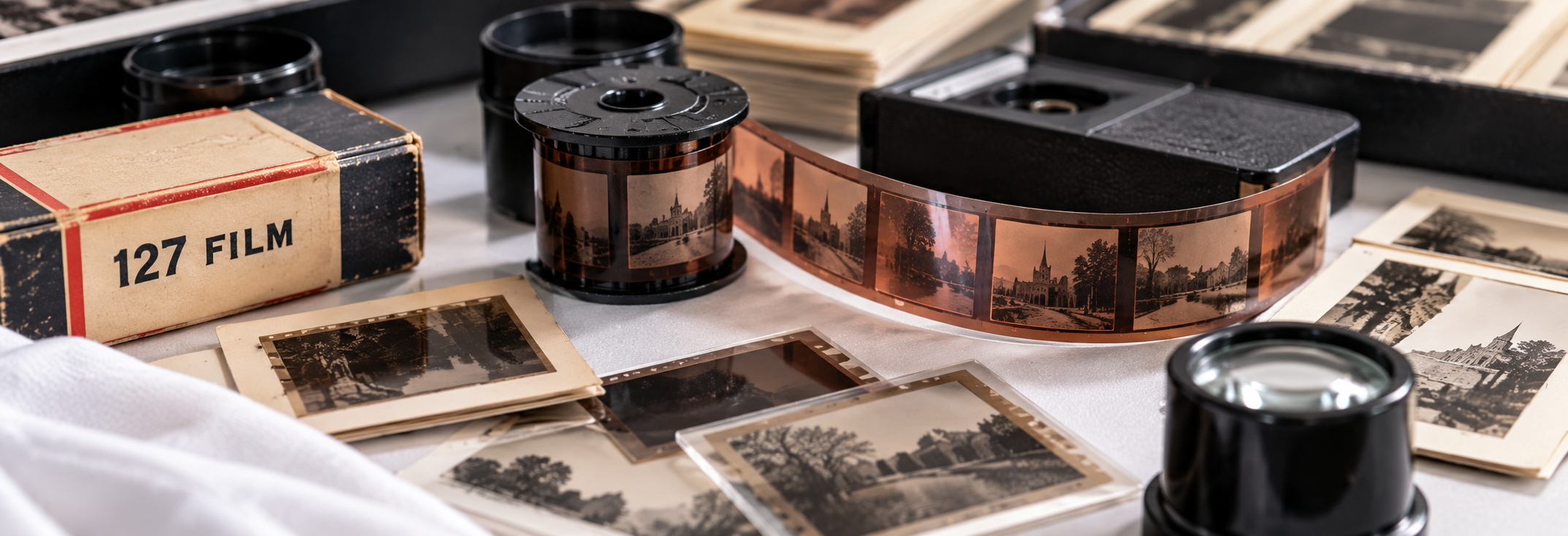
Consumer
JPEG · up to 4800 dpi
Convenient digital images for family viewing, sharing and everyday printing.
- Compressed JPEG files
- Suitable for computers, phones and tablets
- Colour correction and image cleaning where appropriate
- Indicative file size: 8–10 MB
View price list →
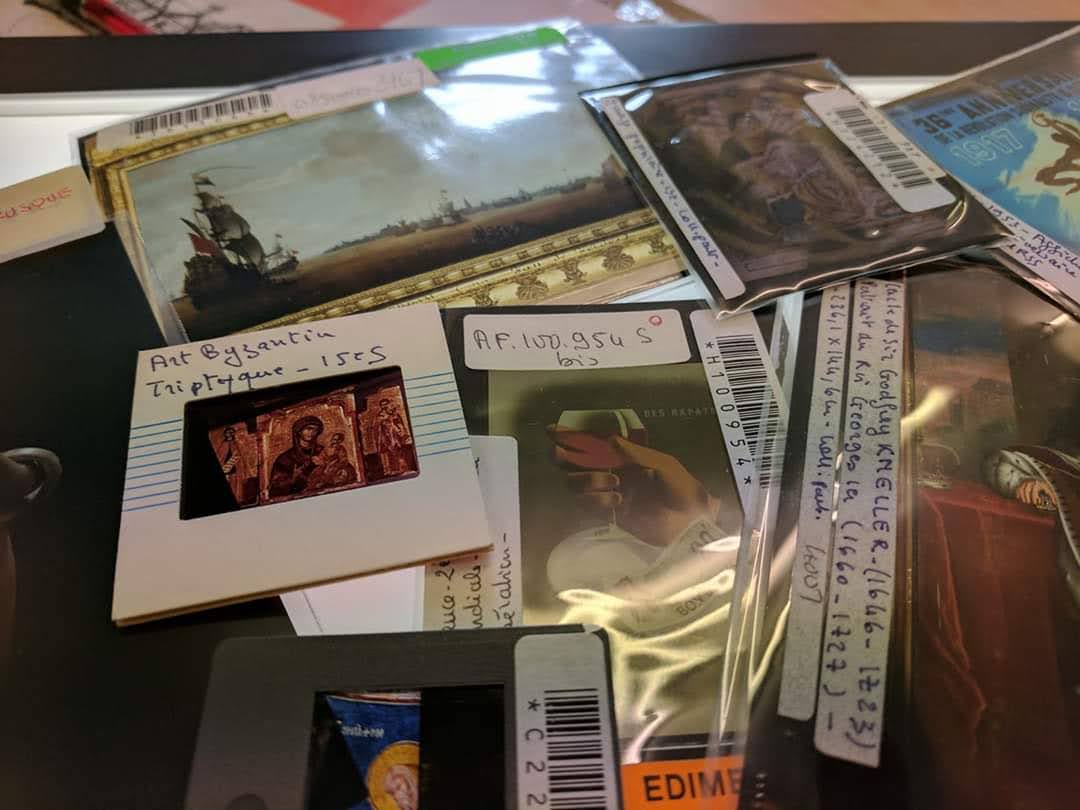
Publication
TIFF / RAW · 3200 dpi
Higher-detail files for publication, design and more demanding image use.
- Uncompressed TIFF or RAW options
- Suitable for many publication workflows
- Colour management and cleaning as specified
- Indicative file size: around 108 MB
View price list →
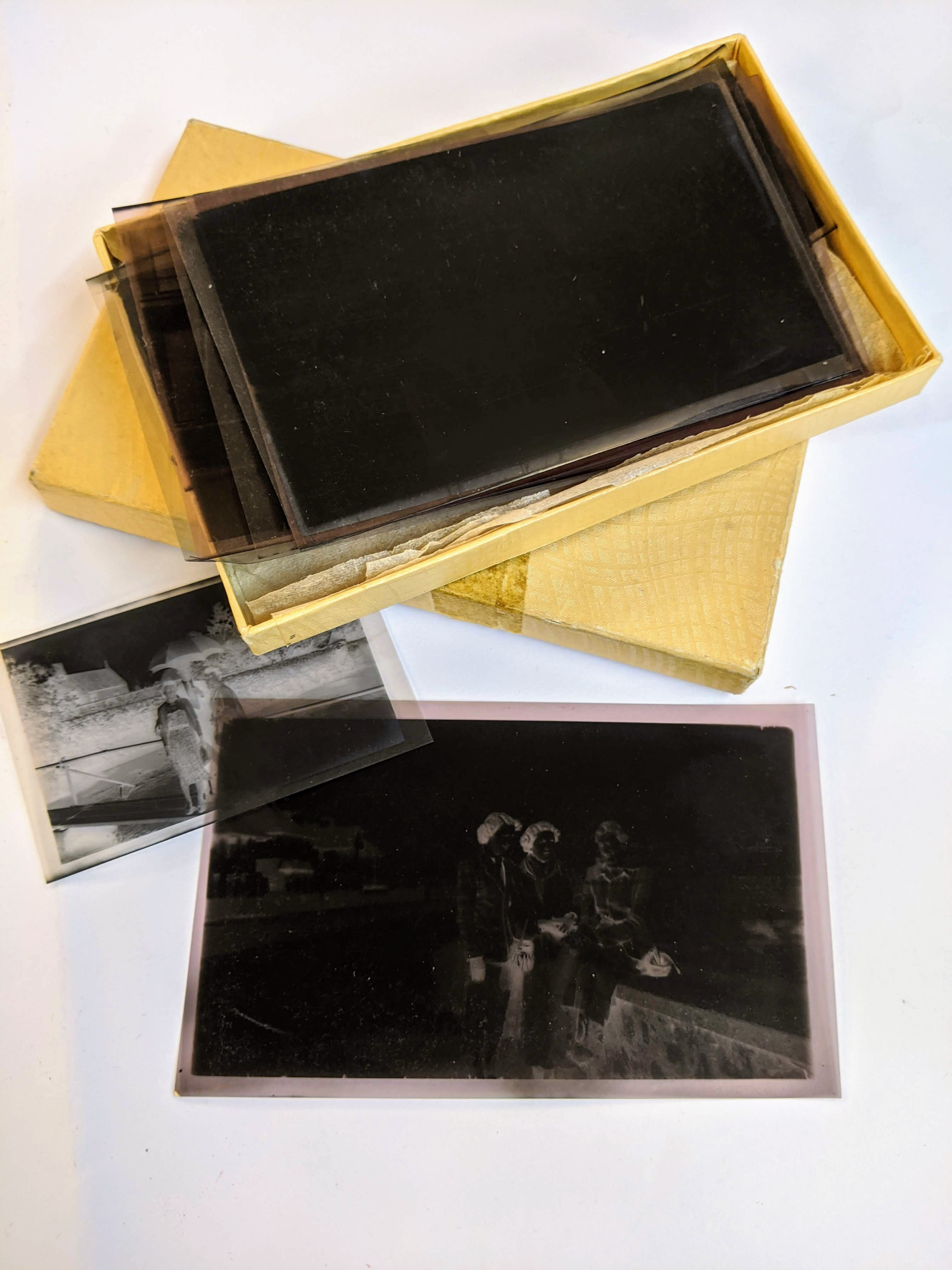
Archival
TIFF / RAW · up to 4800 dpi
High-resolution files for collections where detail and long-term management are priorities.
- Uncompressed file options
- Specification-led processing
- Output prepared to the agreed project requirements
- Indicative file size: around 165 MB
Discuss your specification →
What can we digitise?
Photographic film
35mm slides and negatives, medium-format film, transparencies, glass plate negatives and other specialist photographic materials. If you are unsure what format you have, send us a description or photograph and we can help identify it.
Photographic prints and collections
Loose photographs, family collections and selected historic photographic materials. For albums, fragile originals or unusual sizes, we can discuss the safest practical handling and capture approach before quoting.
Explore our photographic digitisation services
See the kinds of material we work with and how digitisation can make your photographs easier to access, share and preserve.
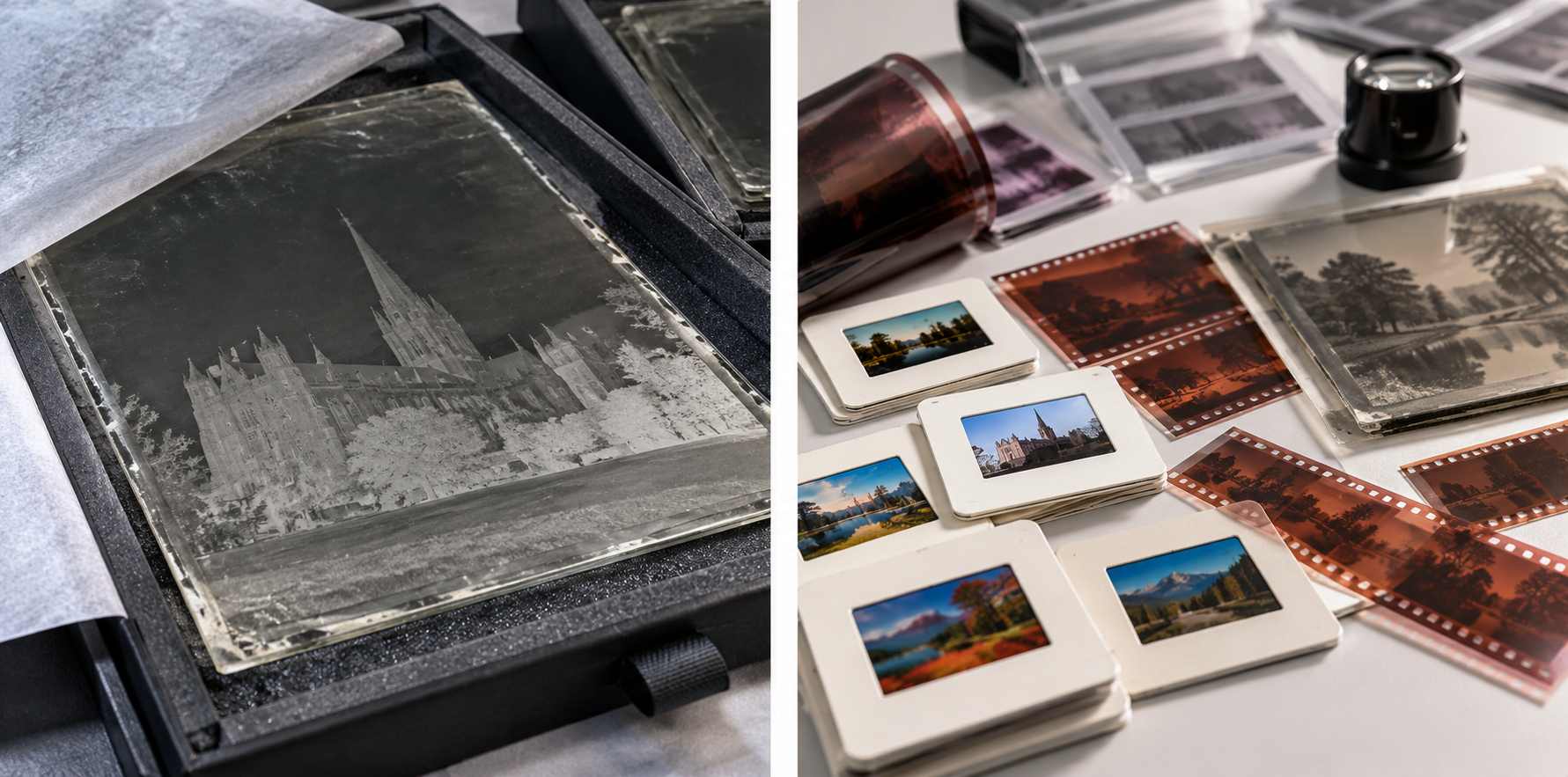
35mm slides and negatives
Convert slides and film negatives into convenient digital images. We can discuss suitable resolutions and whether JPEG, TIFF or another agreed output is right for viewing, printing, publication or archiving.
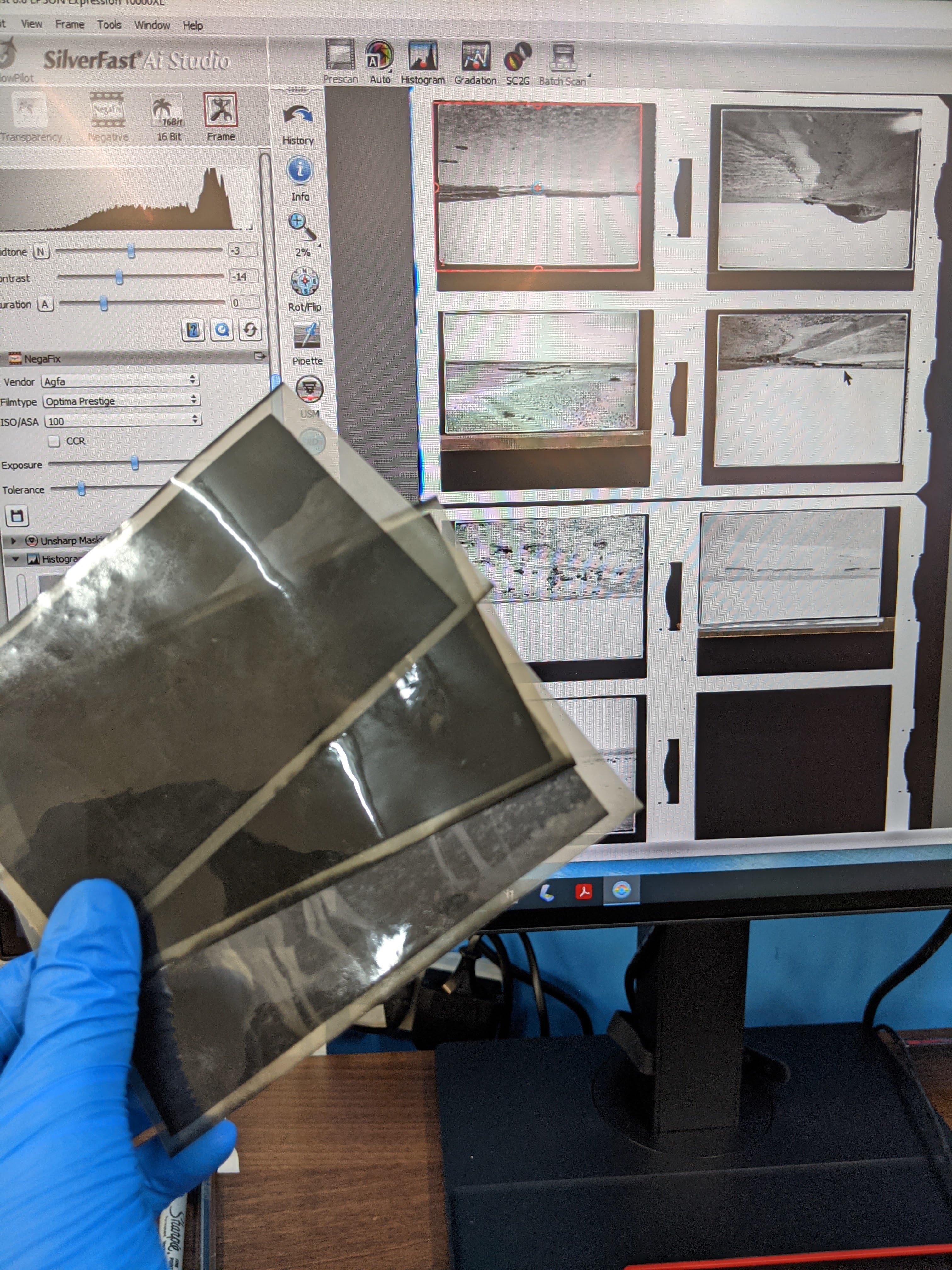
Historic and specialist film
We can assess mixed and unusual photographic formats, including medium-format material and selected historic film types. Please contact us before sending fragile or deteriorating originals so we can discuss handling and safe next steps.
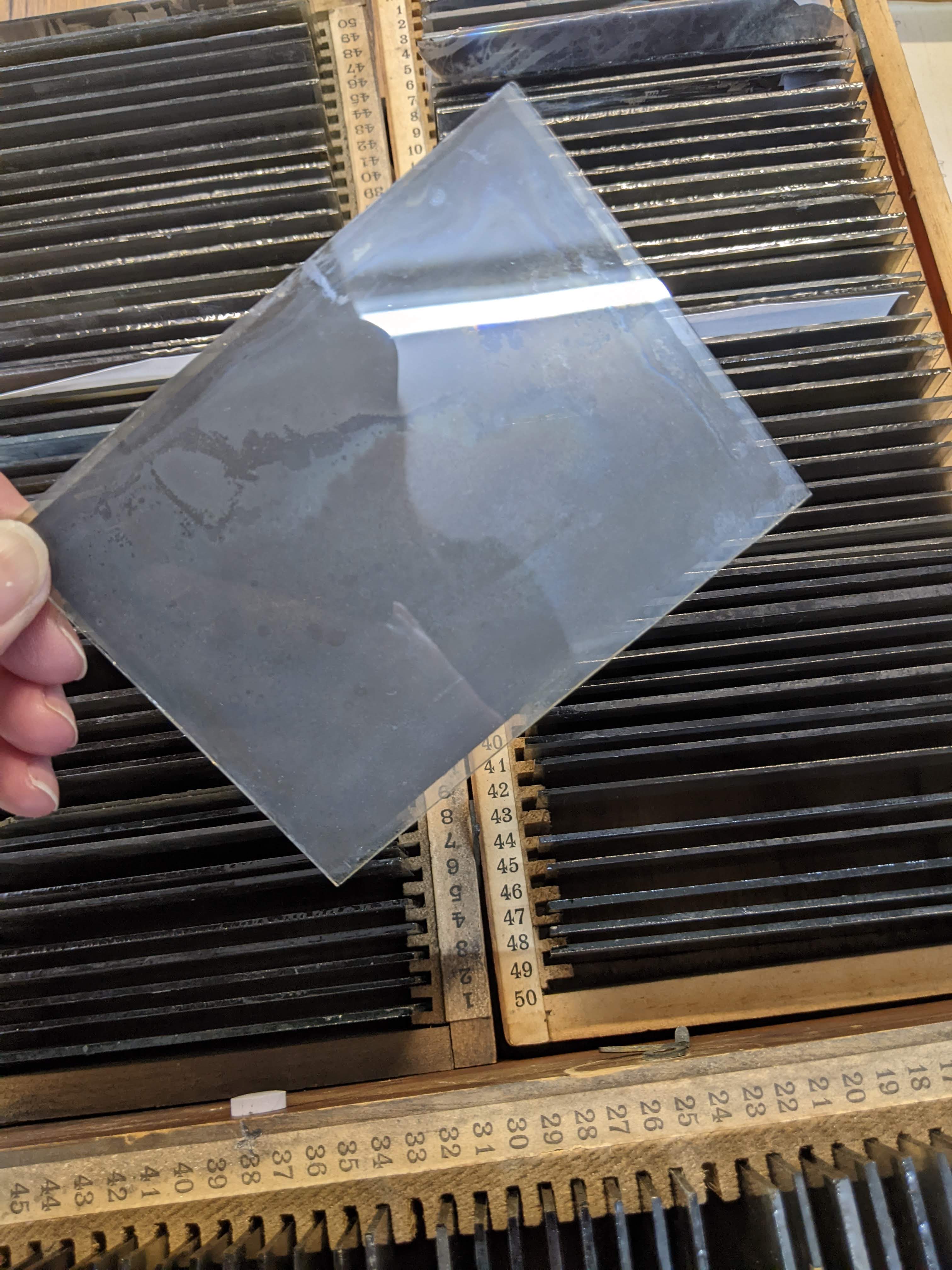
Photographic collections and prints
For loose photographs and family collections, we can discuss the quantity, size, condition and intended use to help plan a suitable digitisation project. Keep any original labels and existing order with the collection where possible.
Understanding your digital files
JPEG
JPEG uses lossy compression to keep file sizes manageable. It is widely compatible and often suitable for everyday viewing, sharing and printing.
TIFF
TIFF is commonly used for high-quality image workflows. Uncompressed TIFF files retain image data without the lossy compression associated with JPEG, but require more storage space.
RAW
RAW usually refers to minimally processed capture data. The exact contents and workflow depend on the equipment and output specification, so please confirm availability for your project before ordering.
Resolution and file size
Higher dpi settings can produce larger files, but the best setting depends on the original film size, image detail and intended use. We can help you choose a sensible balance.
Important: cellulose nitrate photographic film
Some older photographic films were manufactured on cellulose nitrate bases, which can become unstable and present a fire risk as they deteriorate. Warning signs may include yellowing, a sharp or unusual odour, stickiness, bubbling or crumbling. Do not handle or transport suspect deteriorating film unnecessarily. Contact us first for guidance on safe next steps.
Film that smells of vinegar may indicate acetate deterioration (“vinegar syndrome”), rather than nitrate. Appearance and smell alone are not a definitive identification method.
Planning a photographic digitisation project
Before you send your collection
Tell us approximately how many items you have, the format and condition, and whether you need JPEG, TIFF or another agreed output. Keep slides, negatives and prints in their existing labelled sleeves or order where possible.
Quotations and delivery
Prices can vary by format, volume, condition and output specification. Please use the price list as a guide and contact us for a tailored quotation, especially for large, fragile or mixed-format collections.
Need help identifying your photographic film?
Tell us what you have and how you would like to use the digital images. We can help you choose a suitable scanning and file-output specification.
