
Specialist equipment & skills
We work across varied media and formats, using appropriate scanning and transfer equipment for documents, books, photographic material and audiovisual collections.

Specialist digitisation for businesses, organisations, heritage collections and families — including documents, books, photographs, film, audio, video and legacy media.
Discover Our Work →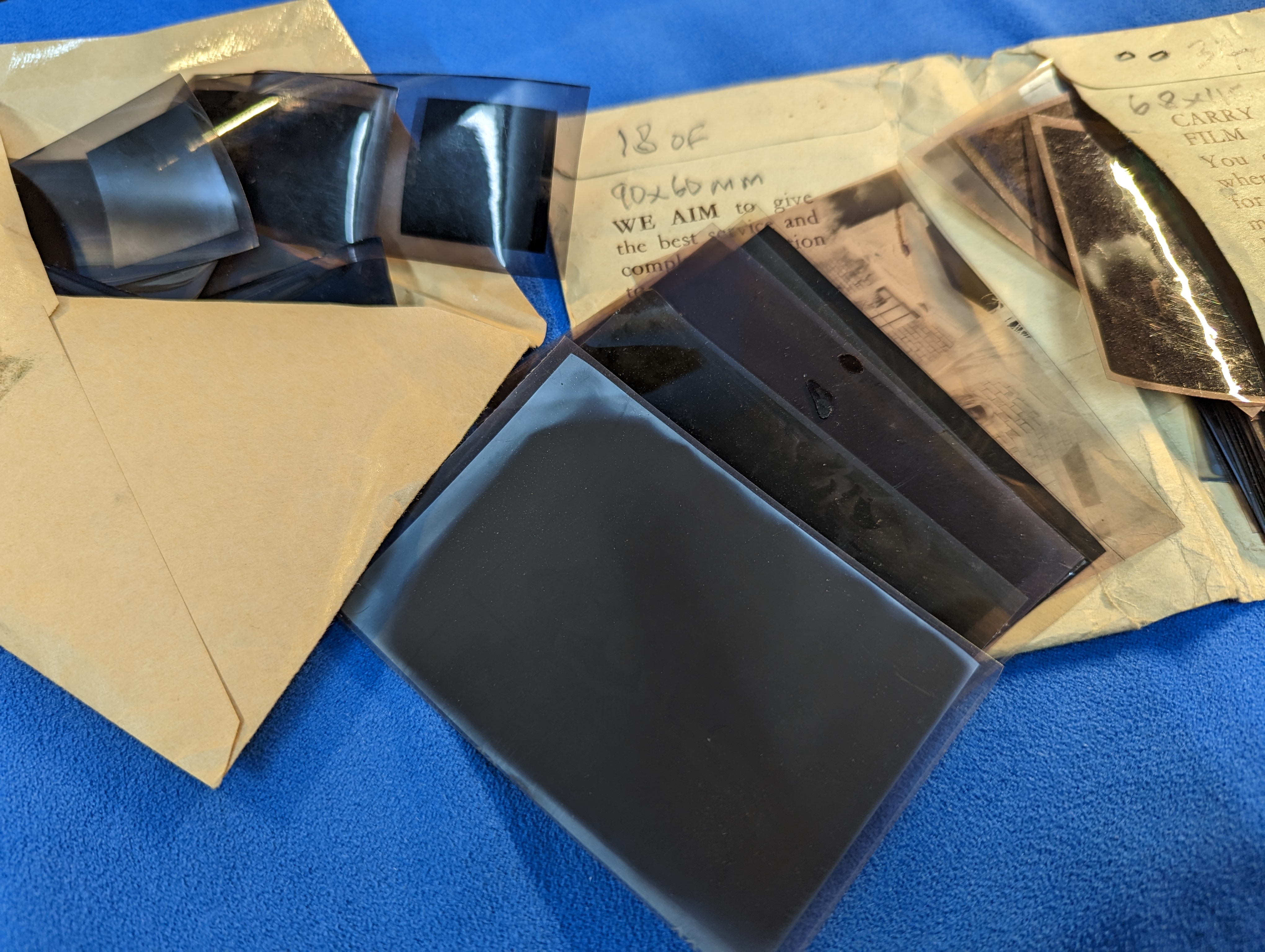
Secure specialist digitisation of photographic nitrate, acetate and polyester film types.
Historical Collections →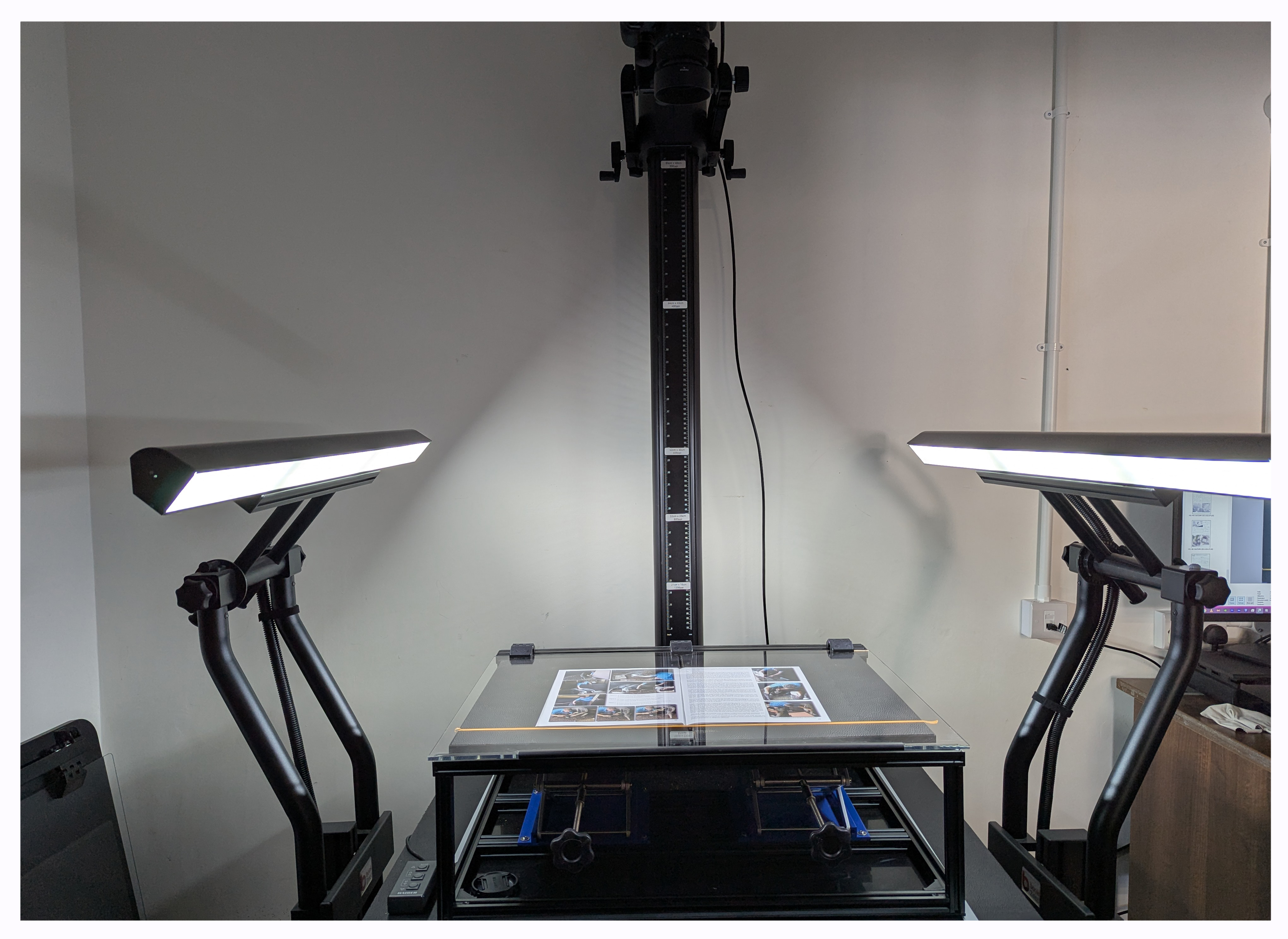
Specialist scanning and digitisation for libraries, archives, museums and heritage collections.
Heritage Services →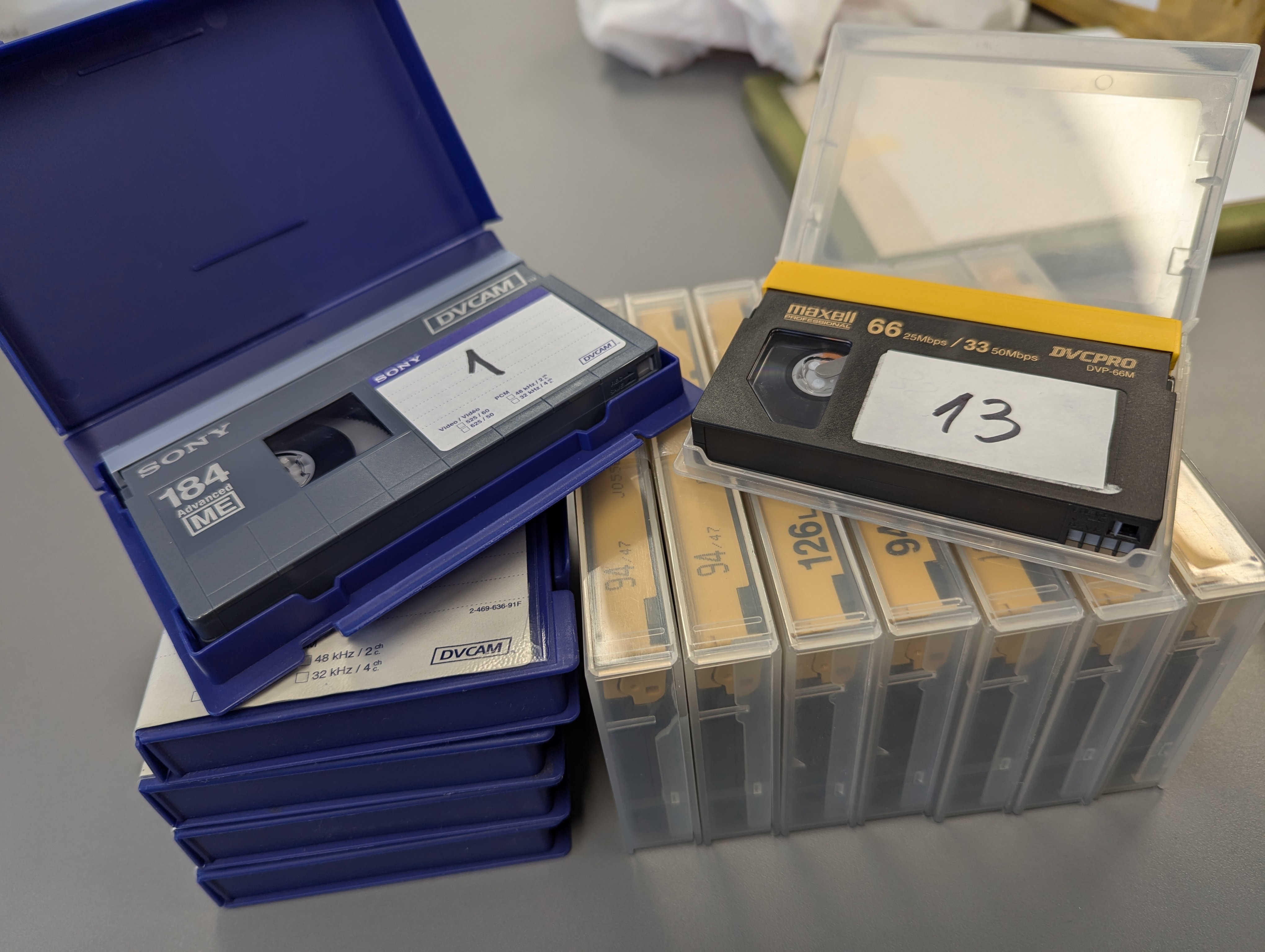
Legacy video tapes contain valuable corporate, broadcast and institutional records, providing an essential historical resource for preservation, compliance and future access.
Legacy Conversion Services →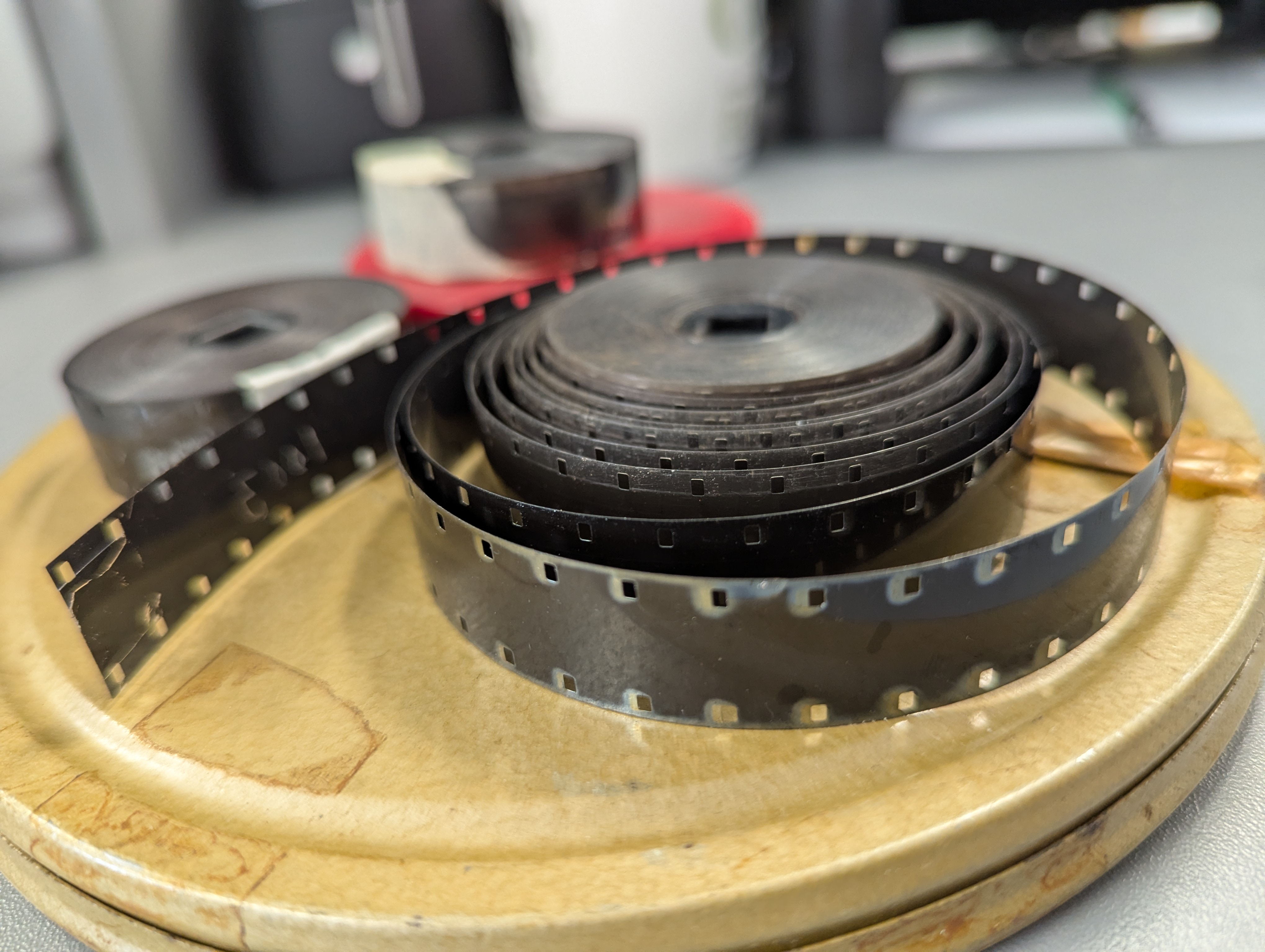
Specialist scanning and digitisation of motion picture and cine film for archives, broadcasters, museums, libraries and heritage collections.
Heritage & Collection Services →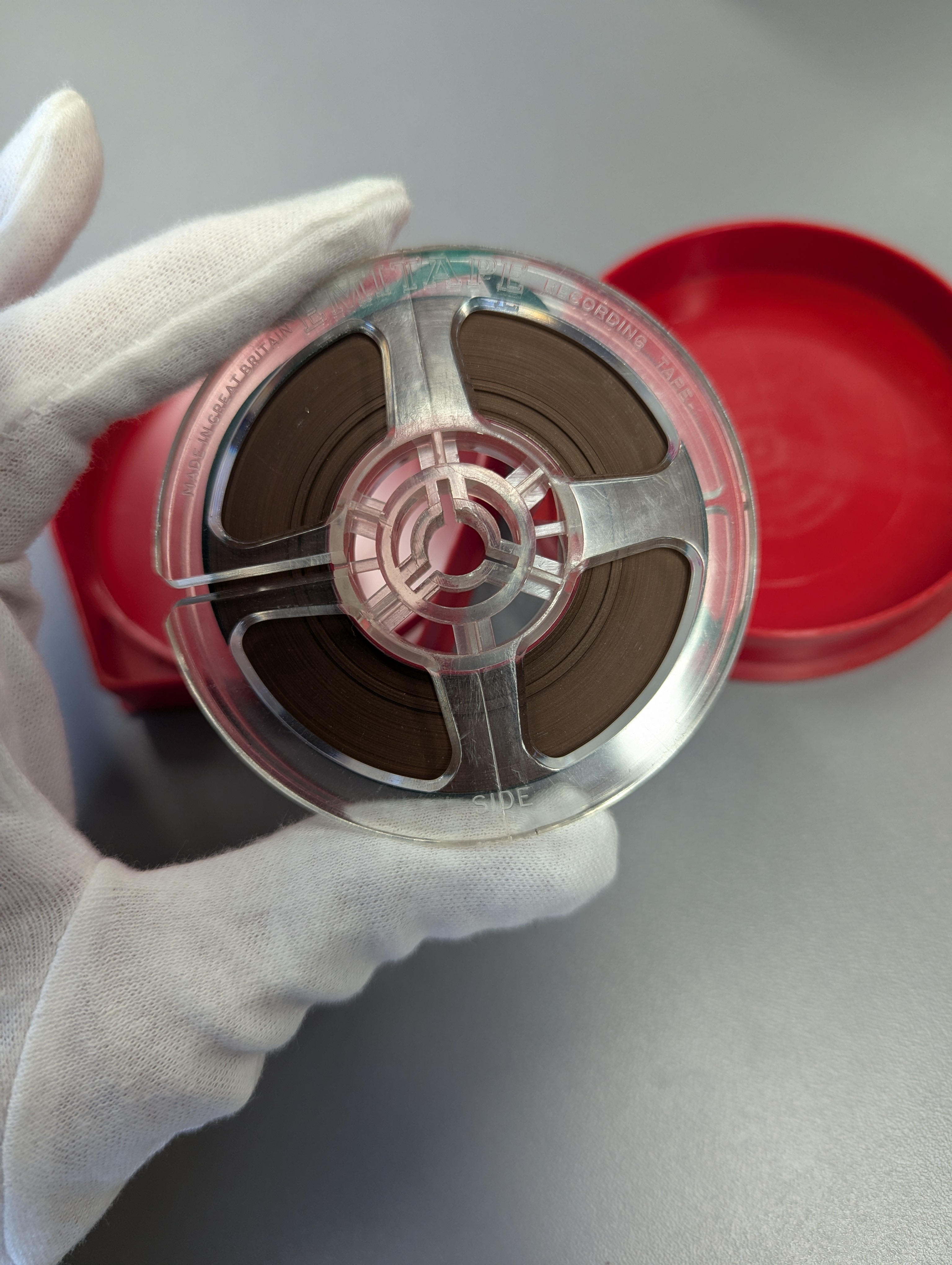
Specialist scanning and digitisation of magnetic audio tape for archives, broadcasters, museums, libraries and heritage collections.
Corporate, Heritage & Collection Services →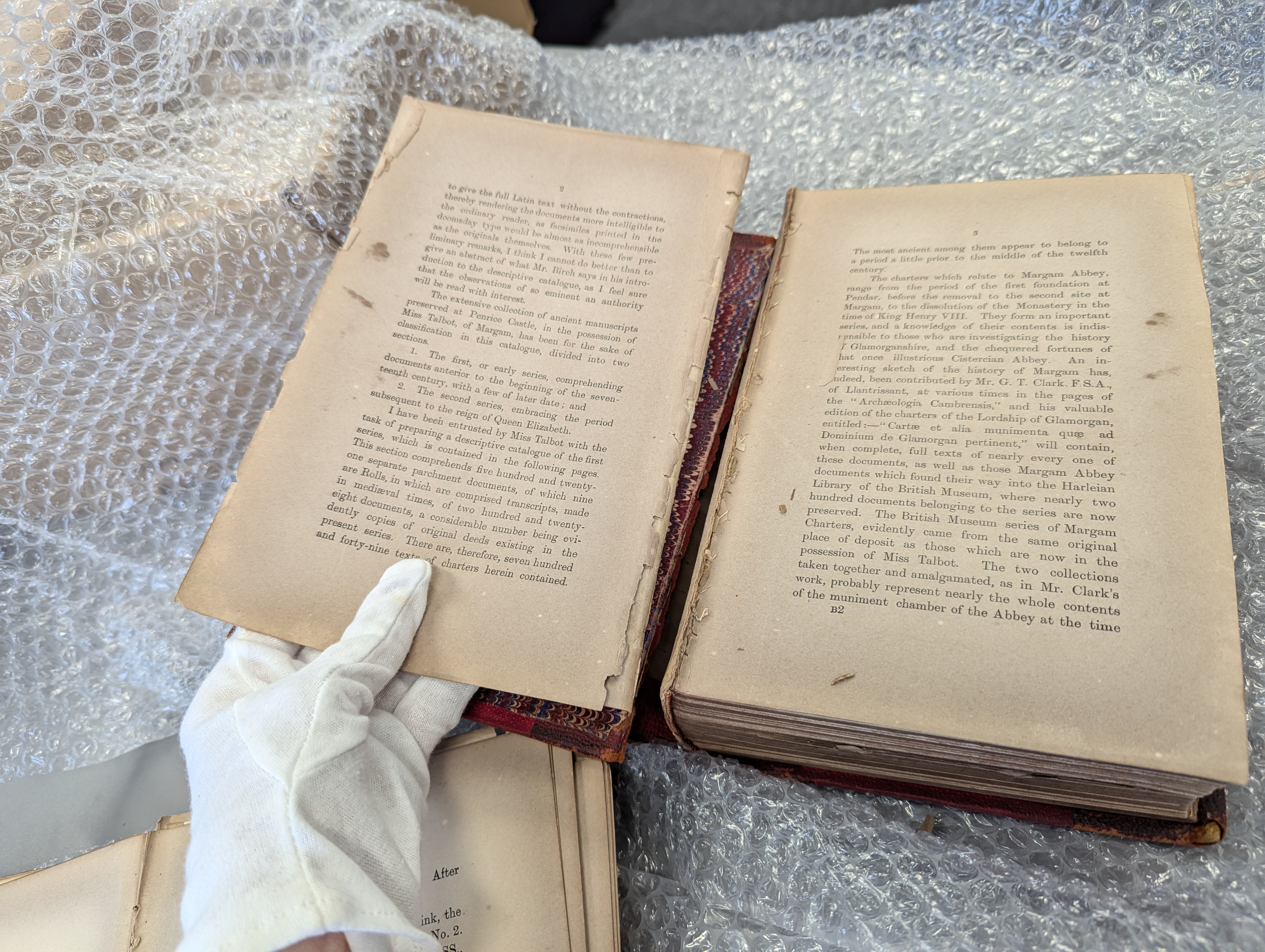
Specialist scanning and digitisation of documents and books for archives, broadcasters, museums, libraries and heritage collections.
Heritage & Collection Services →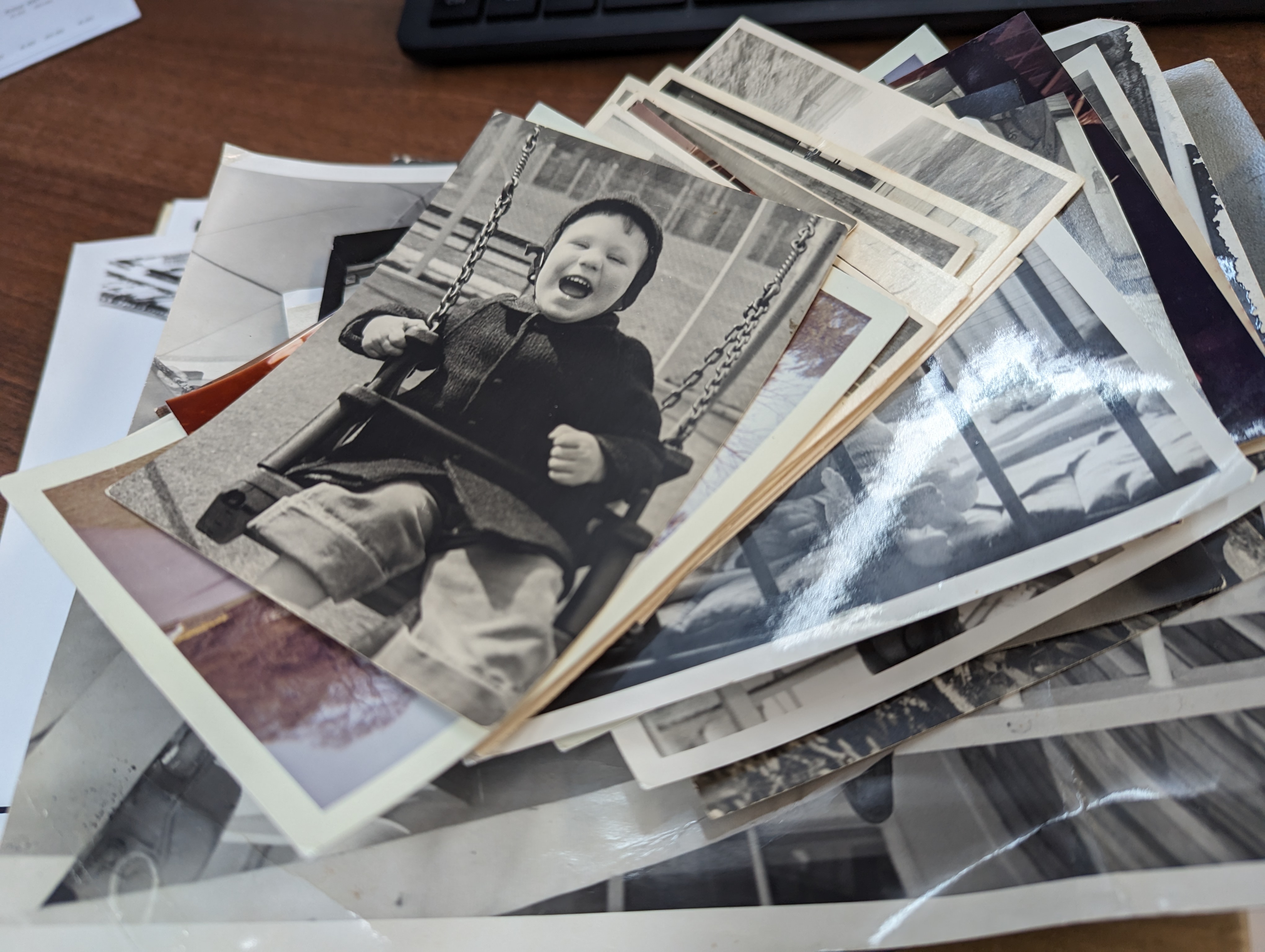
From family photographs and documents to VHS, cine film, slides, negatives and audio tapes.
Family Services →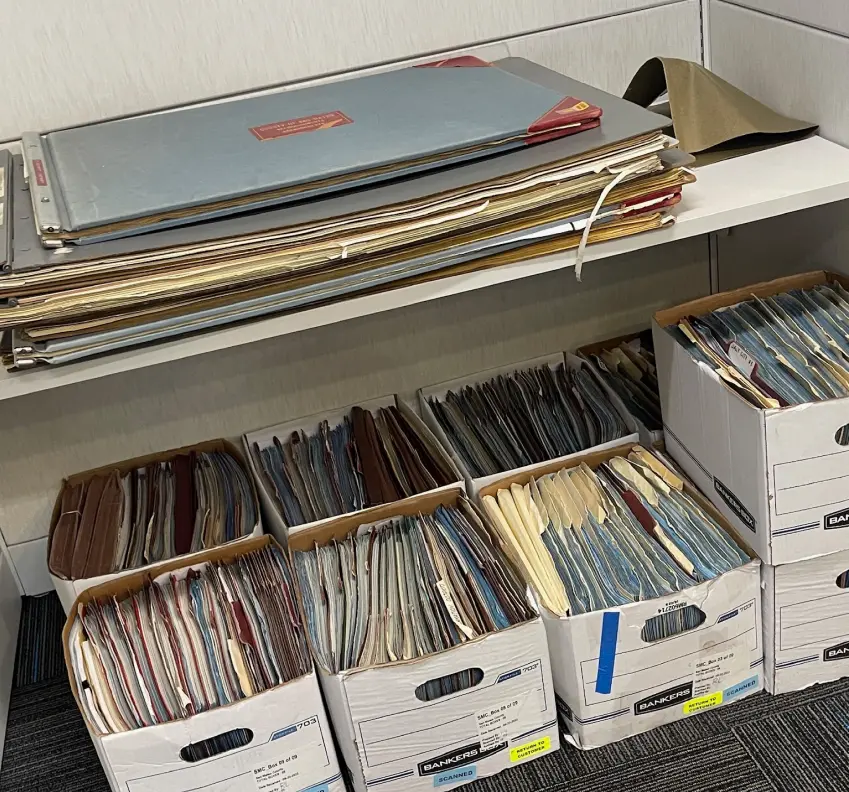
Professional Document Scanning Services. Transforming paper records into secure, searchable digital archives, providing efficient access to your information whenever and wherever it is needed.
Discover Our Work →Oxford Duplication Centre · Kidlington, Oxfordshire
Specialist digitisation for documents, books, photographs, film, audio, video and legacy media — helping businesses, families and heritage organisations protect important material and make it accessible for the future.
A specialist digitisation company supporting corporate, consumer and heritage collections.
Oxford Duplication Centre first opened in 2007 and is based in Kidlington, just outside Oxford. We help clients turn physical and analogue collections into useful digital files, from a small family collection to complex corporate, institutional and heritage archives.
Our work covers a wide range of media: paper records and books, manuscripts and maps, photographs and photographic film, audio and video tapes, cine film, discs and legacy digital media. Different materials require different equipment, handling and capture methods, so we discuss the collection and intended use before agreeing a suitable approach.
Our team includes specialist technicians and archive staff working across digitisation, processing and quality assurance. We aim to combine careful handling with practical advice, consistent output and clear communication throughout each project.
We work across varied media and formats, using appropriate scanning and transfer equipment for documents, books, photographic material and audiovisual collections.
Depending on the project, we can provide high-quality master files and more convenient access copies in agreed formats such as TIFF, JPEG, PDF, WAV, AIFF, ProRes and MP4.
We support individual customers, businesses, public-sector organisations, researchers and heritage collections, with specifications tailored to the material and its intended use.
We take the condition and format of originals into account. If material appears fragile or may need specialist preparation, we discuss this before proceeding.
We can agree file formats, resolution, naming, folder structure and quality checks in advance, helping the delivered files fit your workflow.
Our company has received recognition through the Cherwell business awards, including wins in 2022 and 2024 and finalist recognition in 2023.
Answers to common questions about preparing your material, choosing a service, file formats, handling and delivery. If your question is not covered, please contact our team.
We digitise a broad range of material, including documents, books, bound volumes, manuscripts, maps, plans, artwork, photographs, slides, negatives, glass plates, audio tapes, video tapes, cine film, optical discs and some legacy digital media. Tell us what you have and we can advise whether we offer a suitable service.
Yes. We support family and consumer projects as well as businesses, public-sector bodies, universities, libraries, museums, archives and other heritage organisations.
Contact us with the media type, approximate quantity, condition, preferred output format and how you intend to use the files. Photographs of unfamiliar media can help us identify it. For larger projects, we may ask for an inventory or sample details before quoting.
Where possible, include the type and number of items, approximate dimensions or running time, any known format details, the condition of the originals, desired file formats, resolution or quality requirements, and your preferred timescale.
Yes. Send clear photographs of the tape, cassette, reel, disc or label, including any model or format markings. We can help identify the media and discuss the available options before you send it.
Many services can accommodate small projects, including individual family items. Minimum charges and prices vary by format and preparation required, so please contact us with the details for an accurate quotation.
Yes. We are based at 29 Banbury Road, Kidlington, Oxfordshire, OX5 1AQ. Please contact us beforehand if you have a large delivery, unusual items or specific access requirements so we can help plan your visit.
Arrangements can be discussed for collections sent securely by post or courier. Use suitable protective packaging, keep items from moving inside the box and retain your tracking details. Contact us before sending especially fragile, valuable or unusual material.
Use a rigid, clean container and suitable protective sleeves or folders where appropriate. Avoid adhesive tape on originals, do not force folded or brittle items flat, and separate loose pieces so they cannot rub together. If an item is fragile, ask us for advice before packing it.
Please do not attempt repairs, aggressive cleaning or treatment unless you are confident it is appropriate. Damaged, mould-affected, sticky or shedding media may need specialist assessment. Tell us about any known problems before the project starts.
Yes, we offer book and heritage scanning options, including non-destructive approaches for suitable bound and fragile material. The appropriate method depends on the binding, condition, size and opening angle the book can safely tolerate.
Resolution depends on the material, equipment and intended use. We can discuss requirements such as 300 dpi or 600 dpi for documents and photographs, and higher or specialist capture specifications where appropriate. The agreed specification should reflect the original size, detail and purpose.
For suitable scanning projects, we can provide TIFF files at agreed resolutions, including 600 dpi. Uncompressed TIFF and other specifications should be confirmed in the quotation, alongside any required access copies.
OCR (optical character recognition) can be used on suitable printed documents to make text searchable. Results depend on the original print, layout, language, image quality and condition; handwriting and complex pages may not convert reliably.
We can discuss project specifications informed by recognised archival guidance and the requirements of your organisation. Please provide the exact standard, technical specification or procurement requirement you need to meet so that we can confirm the appropriate deliverables for your project.
Depending on the source and project, audio can be supplied in formats such as WAV/BWF, AIFF and MP3, with CD output available for suitable work. Tell us whether you need preservation masters, everyday listening copies or both.
Video outputs can include formats such as ProRes, AVI and MP4, depending on the source format, capture workflow and intended use. We will agree the appropriate format and specification before production.
Yes, where appropriate. A project can be specified to include a high-quality master alongside access copies for viewing, sharing, web use or everyday listening. The formats and number of copies should be agreed in advance.
We handle a wide range of legacy and professional formats, but availability depends on the exact format, condition and technical requirements. Send us the format name and photographs of the media or label so we can assess it.
Prices vary according to format, quantity, condition, preparation, capture specification, processing and delivery requirements. Some services have published price lists or calculators. For unusual or larger projects, contact us for a tailored quotation.
Volume pricing may be available for suitable projects because quantities and workflows can affect the cost per item. Tell us the approximate size of your collection so we can quote on the right basis.
Turnaround depends on the size of the order, media type, condition, preparation and current workload. We can discuss an estimated timescale when preparing your quotation; please tell us if you have a fixed deadline.
Delivery options depend on project size and file volume and may include secure digital delivery or suitable physical media. We can discuss folder structure, naming and delivery requirements before the work begins.
Yes, project organisation can be agreed in advance. Please provide any naming convention, folder structure, reference numbers, metadata or indexing requirements when requesting your quote.
Large projects can generate substantial data volumes, especially at high resolutions or with uncompressed files. We can discuss the practical delivery method and storage requirements when we agree the output specification.
We aim to handle material carefully and keep it organised during production. Project-specific handling needs should be discussed at quotation stage, especially for fragile, unique, high-value or confidential items.
We work with corporate and institutional collections, and confidentiality requirements can be discussed before work begins. If you require an NDA, specific access controls or documented handling arrangements, please raise these as part of the project brief so the requirements can be reviewed.
We frequently work with clients under non-disclosure agreements. Please send your proposed NDA or let us know what arrangements you need so these can be reviewed before the project starts.
Originals are not replaced by the digital files. Return or collection arrangements should be agreed when the order is placed. Please tell us if you have a particular deadline or return method in mind.
Retention and long-term storage arrangements should be confirmed for your project. Please do not assume that we act as a permanent backup service; maintain your own verified copies and ask us about any specific retention requirements before placing an order.
We can discuss suitable file formats and delivery structures for preservation and access. Long-term preservation also requires your own managed storage, backups, integrity checking and a plan for future access or migration.
Oxford Duplication Centre is at 29 Banbury Road, Kidlington, Oxfordshire, OX5 1AQ, just outside Oxford.
Our published opening hours are Monday to Thursday, 8am–4pm, and Friday, 8am–3pm. If you are travelling with a large or unusual collection, please contact us in advance.
Parking is available at the front of the building and in the rear car park.
Call 01865 457000 or email cheryl@oxfordduplicationcentre.com. You can also use our contact page to discuss your project.
Tell us what you have, what you need to achieve and any requirements for handling, output quality or delivery. We will help you identify the next step.