
35mm Colour Slides
High-quality scanning of 35mm colour reversal slides for family, publication and archive use.
View service →Professional scanning and preservation of photographic film, slides, negatives, glass plates, transparencies and specialist photographic collections.
Oxford Duplication Centre provides professional photographic scanning for families, businesses, universities, museums, archives and heritage organisations. We work with standard film formats alongside historic and specialist photographic materials.
Depending on the collection and intended use, digital files can be prepared for everyday viewing, publication, printing, research or long-term preservation. We can work with negatives, positive film, slides, glass plates and less-common formats that require specialist handling.
Everyday and professional photographic film formats
High-quality scanning of 35mm colour reversal slides for family, publication and archive use.
View service →
Digitisation of black and white positive film with careful tonal reproduction.
View service →
Colour negative strip scanning for family collections, archives and professional use.
View service →
Professional scanning of black and white negative strips and individual frames.
View service →
Specialist scanning of less-common 828 photographic film formats.
View service →
APS film scanning for archived cartridges and strip-based photographic collections.
View service →
Compact 110 film negatives and slides converted to high-quality digital files.
View service →
Specialist scanning for 127 pocket film, including historic and family collections.
View service →
Medium-format roll film scanning for higher-resolution photographic collections.
View service →
Digitisation of historic 116 Kodak roll film and related large-format negatives.
View service →Unusual, early and large-format photographic materials
Large transparency and sheet-film scanning for publication and archival projects.
View service →
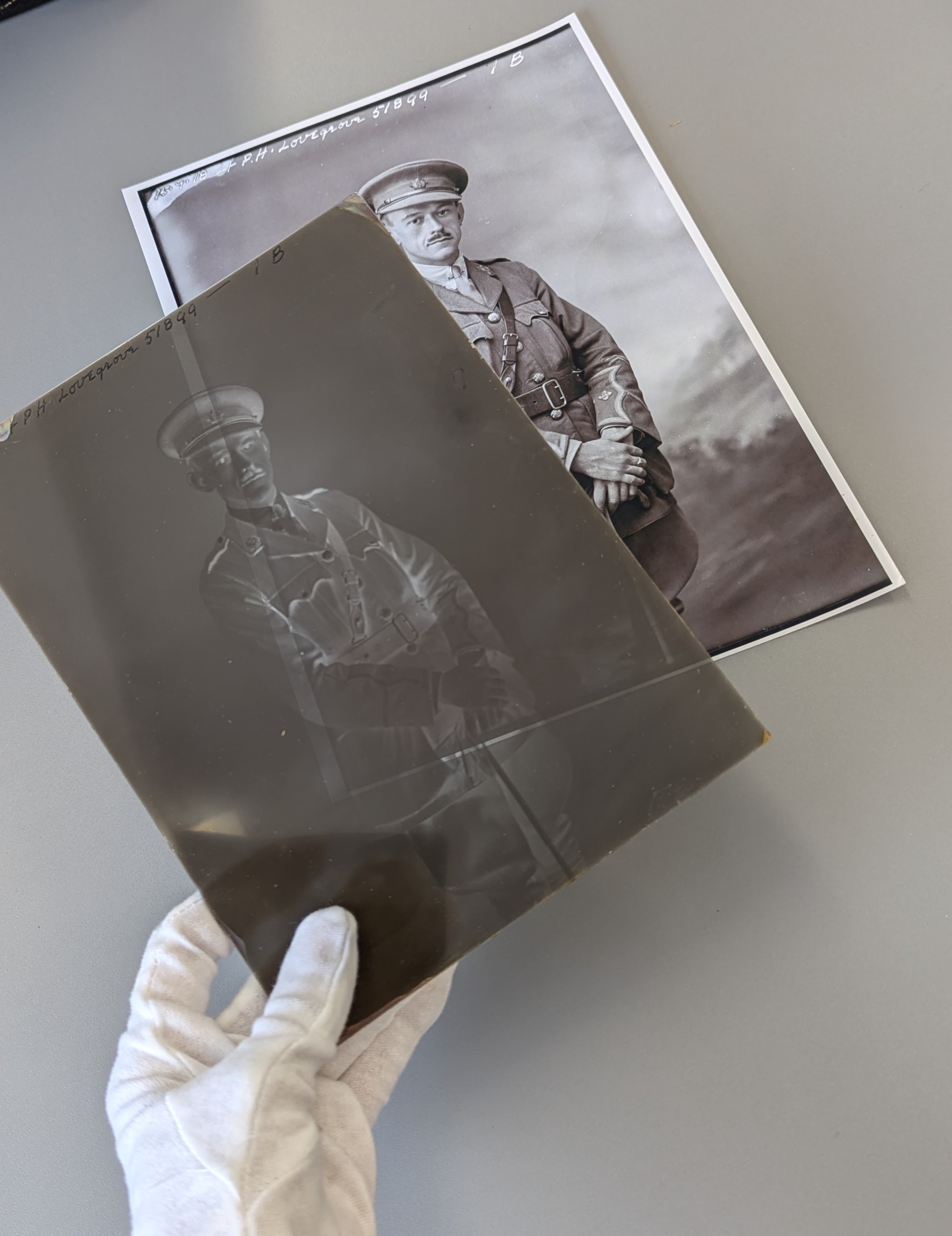
Careful digitisation of historic glass plate negatives, including fragile originals.
View service →
Scanning of historic lantern slides and glass-mounted photographic plates.
View service →
Specialist imaging of early photographic plates dating from the 1840s and 1850s.
View service →
Specialist scanning of ambrotype photographic plates and historic portrait collections.
View service →
Digitisation of tintypes and other early photographic plate formats.
View service →
Specialist scanning of stereograph cards and historic photographic views.
View service →
High-quality capture of stereoscopic glass slide collections.
View service →Photographic and related film collections requiring careful handling
Digitisation of X-ray film collections for access, research and preservation.
View service →
Microfilm and microfiche scanning for business, research and archival collections.
View service →
Aperture card scanning and conversion to digital image files.
View service →
Family slides, negatives, glass plates and unusual film formats handled as a collection.
View service →Collections where photographic material forms part of a wider family, research or heritage archive
Digitisation for museums, universities, archives and heritage organisations.
View service →
A complete photographic film service for consumer, corporate and heritage collections.
View service →Photographic collections can contain different generations of film stock, each with its own physical and imaging characteristics. We can identify and work with cellulose nitrate, cellulose acetate and polyester film, as well as glass-based photographic materials.
For projects where preservation is the priority, we can provide high-quality uncompressed TIFF or RAW capture alongside access JPEGs where required. Collection requirements can be discussed before work begins.
Review the formats, condition, quantity and intended use of the collection.
Organise and carefully prepare originals for the appropriate scanning process.
Scan using appropriate resolution, focus, lighting and colour-management settings.
Apply agreed restoration, cropping, tonal and colour adjustments where required.
Supply agreed digital files for viewing, publication, printing or preservation.
JPEG, TIFF and RAW files can serve different purposes. Consumer collections often benefit from practical JPEG access files, while publication and archive projects may require larger uncompressed files.