
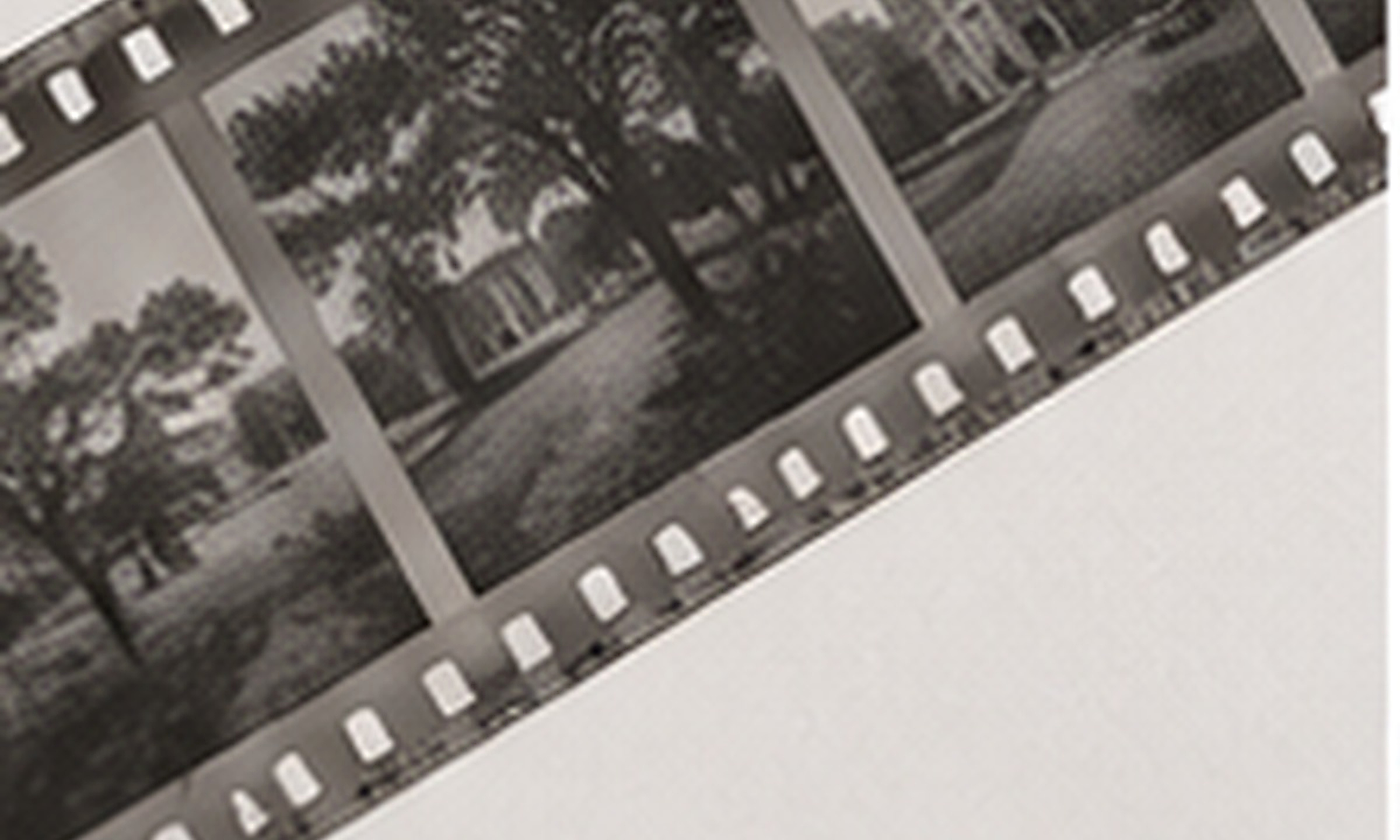
35mm B&W negatives
Careful handling and professional digital capture for historic photographic material.
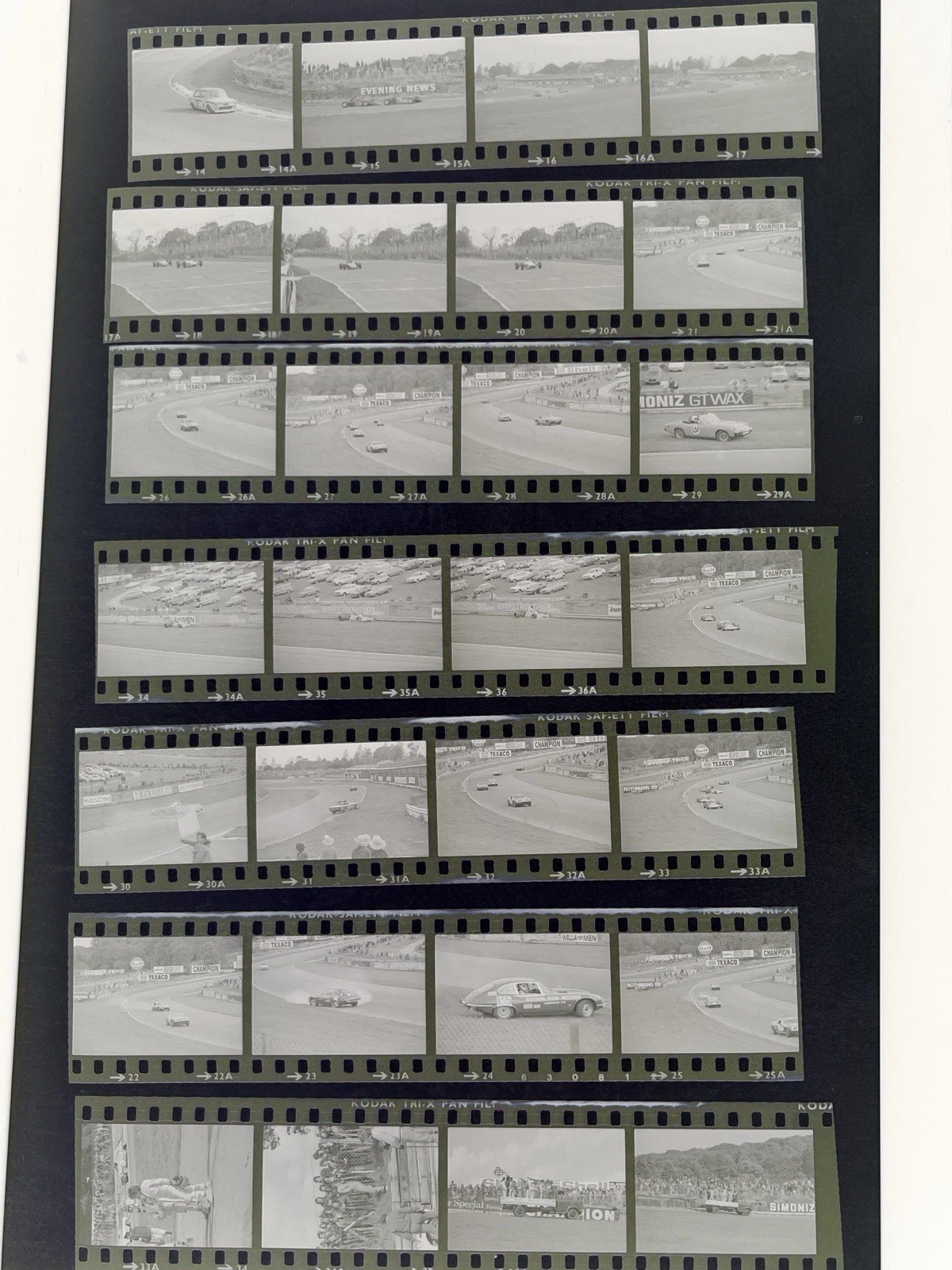
We digitise 35mm black and white negatives for family archives, photographers, museums, heritage collections and private owners.
Our scanning workflow captures the tonal information contained in monochrome negative film and creates practical digital preservation and access files.
Careful handling and professional digital capture for historic photographic material.
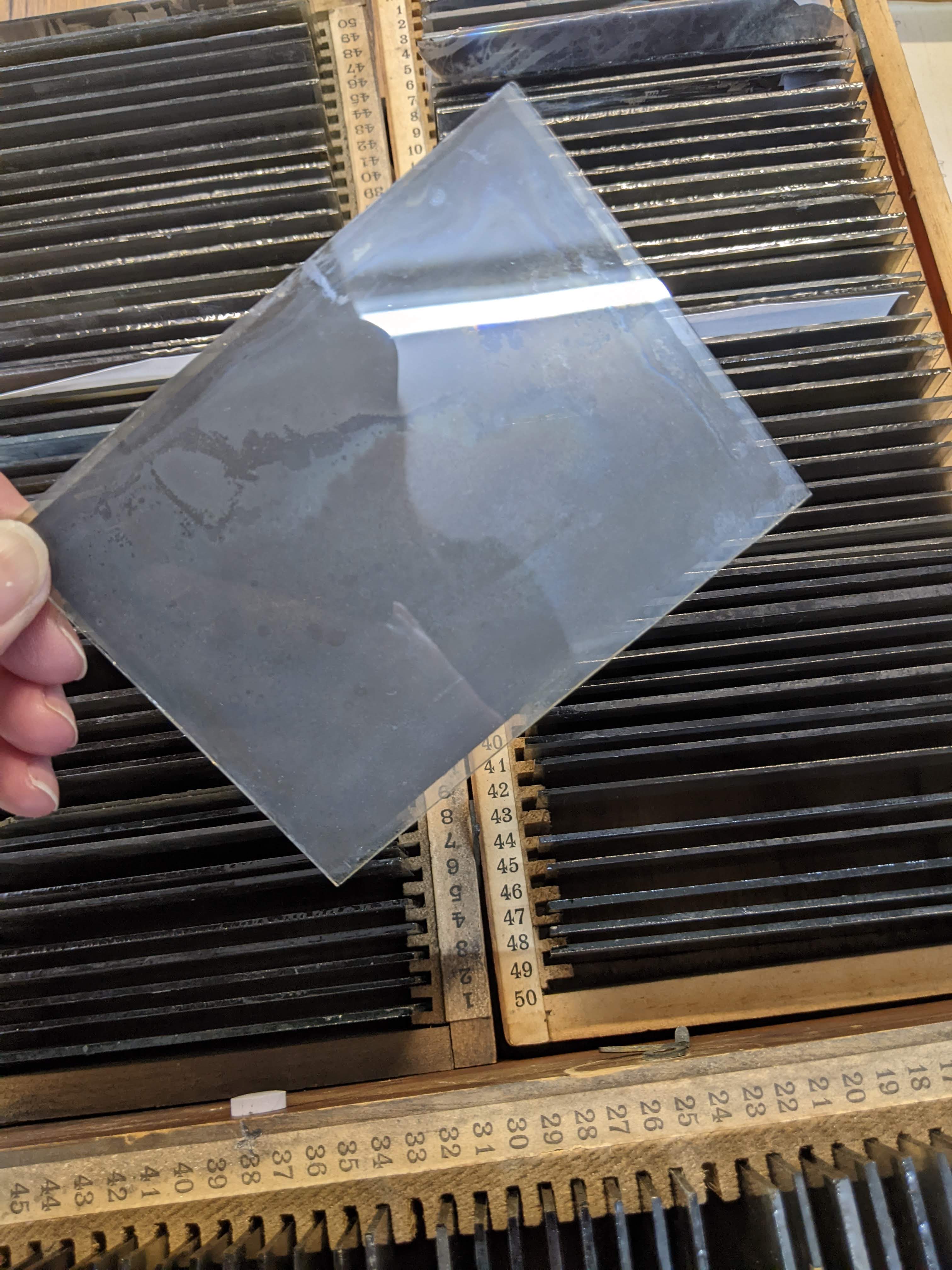
Suitable for family archives, private collections, museums and heritage organisations.
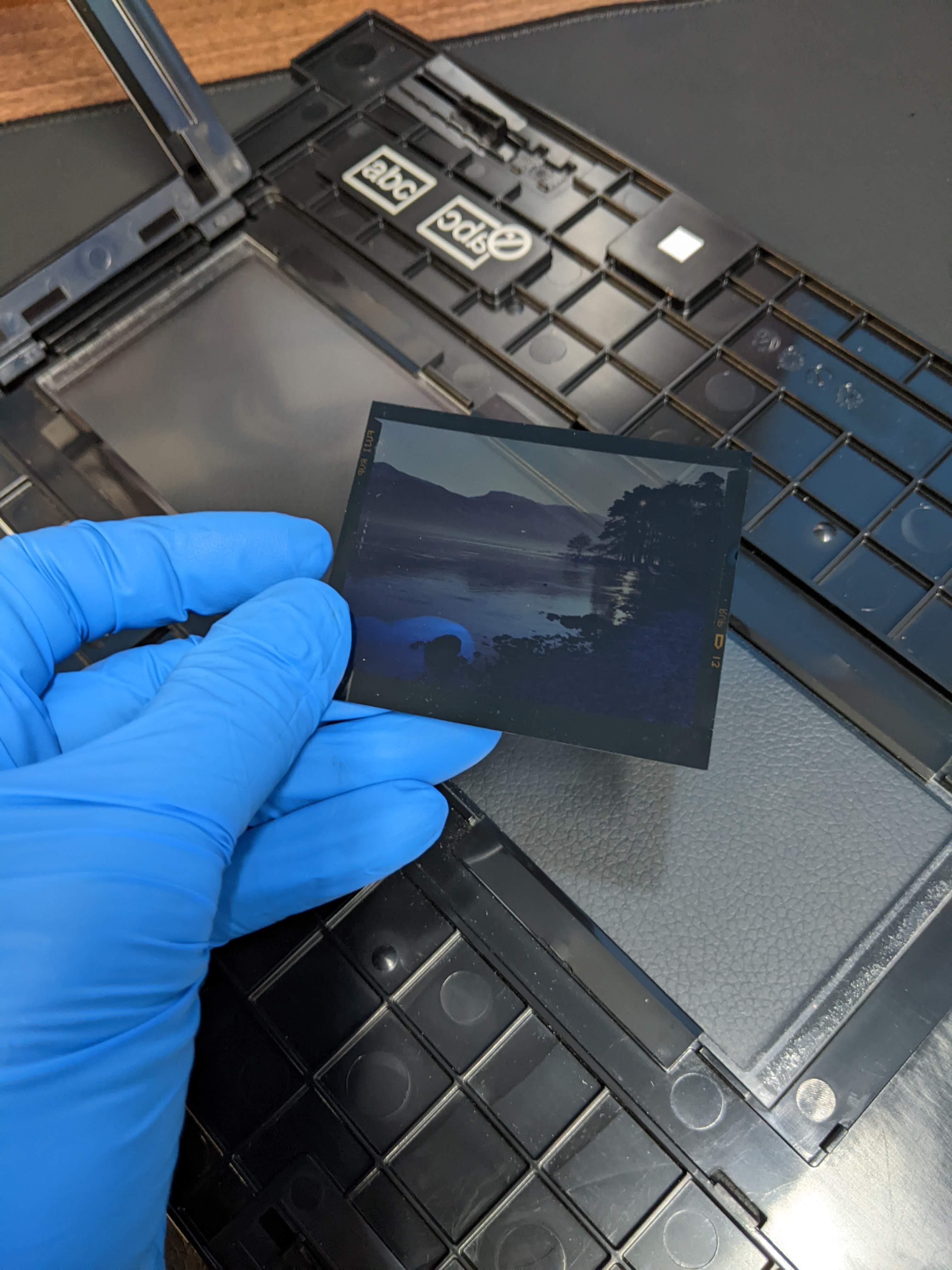
Digital files make valuable photographic collections easier to preserve and access.
We can produce digital files suitable for preservation, access, research, publication and sharing. Output requirements can be discussed according to the condition, size and intended use of the original material.
For advice on identifying, preparing or digitising photographic film, contact Oxford Duplication Centre on 01865 457000.
Contact Oxford Duplication Centre