16-Inch BBC Transcription Discs
Specialist digitisation and preservation of historic broadcast recordings for archives, universities, museums and private collections.
Specialist Digitisation of Historic BBC Transcription Discs
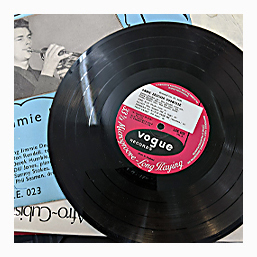
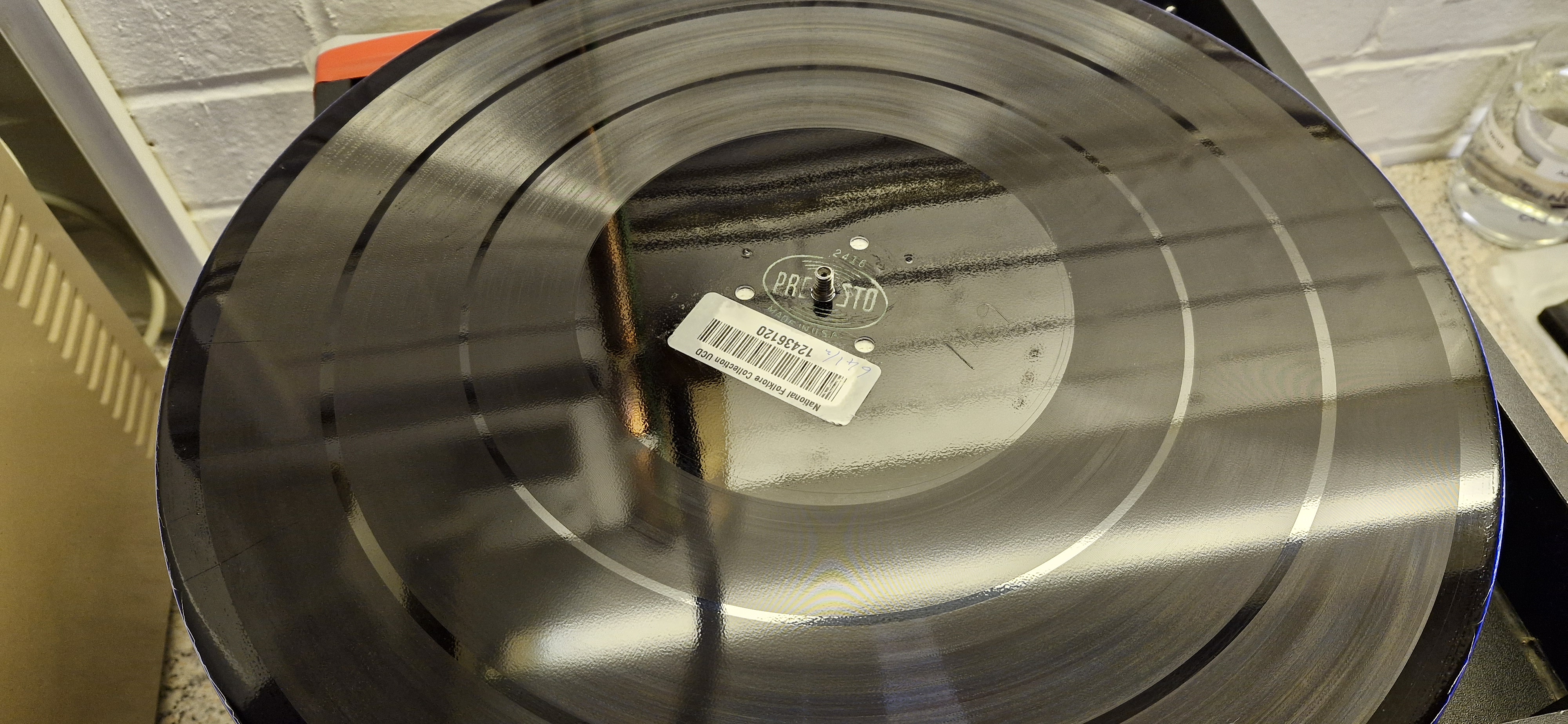
16-inch BBC transcription discs are an important part of the history of twentieth-century broadcasting. Produced and used for the recording, distribution and transmission of radio programmes, these large-format discs can contain recordings that may no longer exist in any other form.
Oxford Duplication Centre provides specialist digitisation services for historic transcription discs and other unusual and fragile sound carriers. We recently completed the digitisation of a large collection of 16-inch BBC transcription discs for Trinity College Dublin, the University of Dublin, carefully transferring the recordings into high-quality digital files for preservation, research and future access.
These collections can contain historically significant broadcasts, interviews, talks, lectures, performances and other recorded material, making their preservation particularly important for universities, libraries, museums, broadcasters and archival collections.
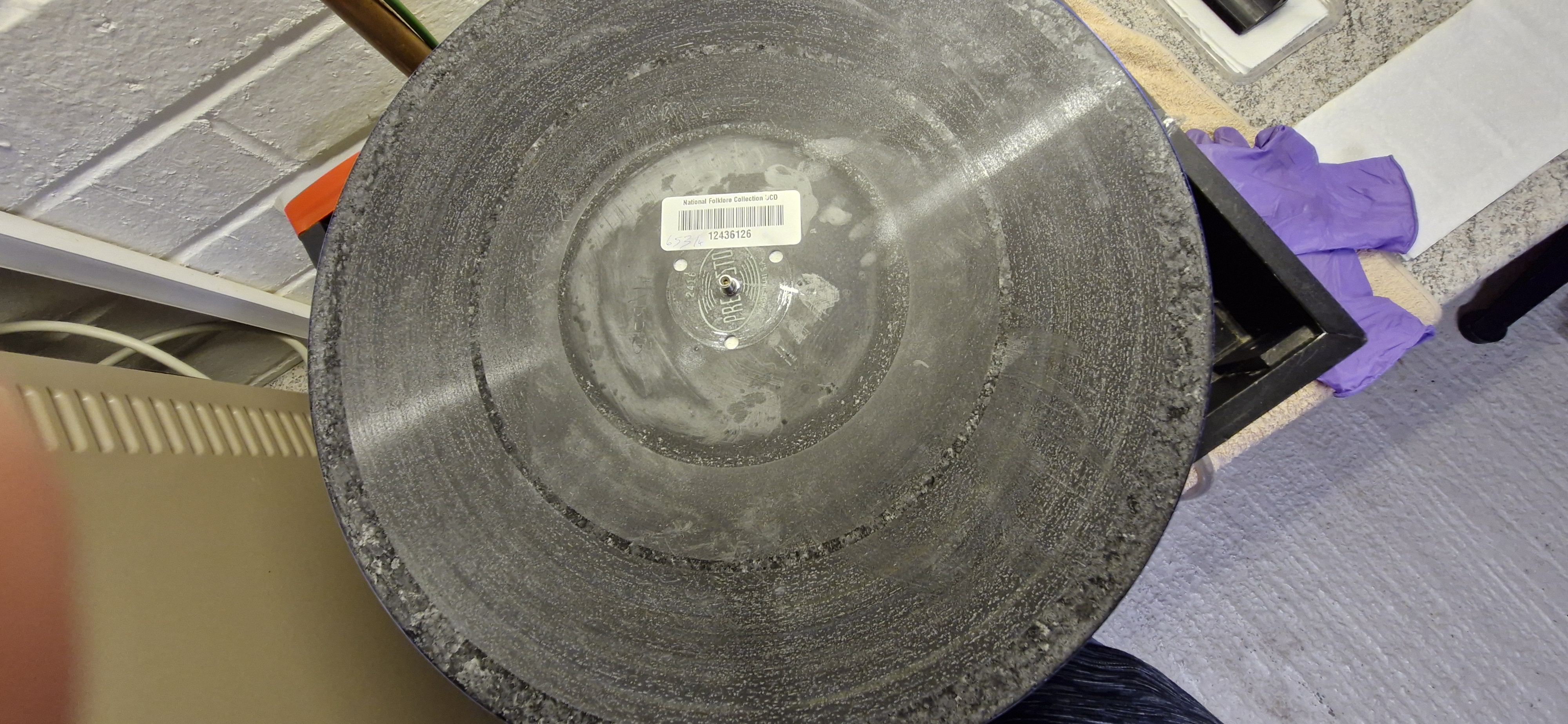
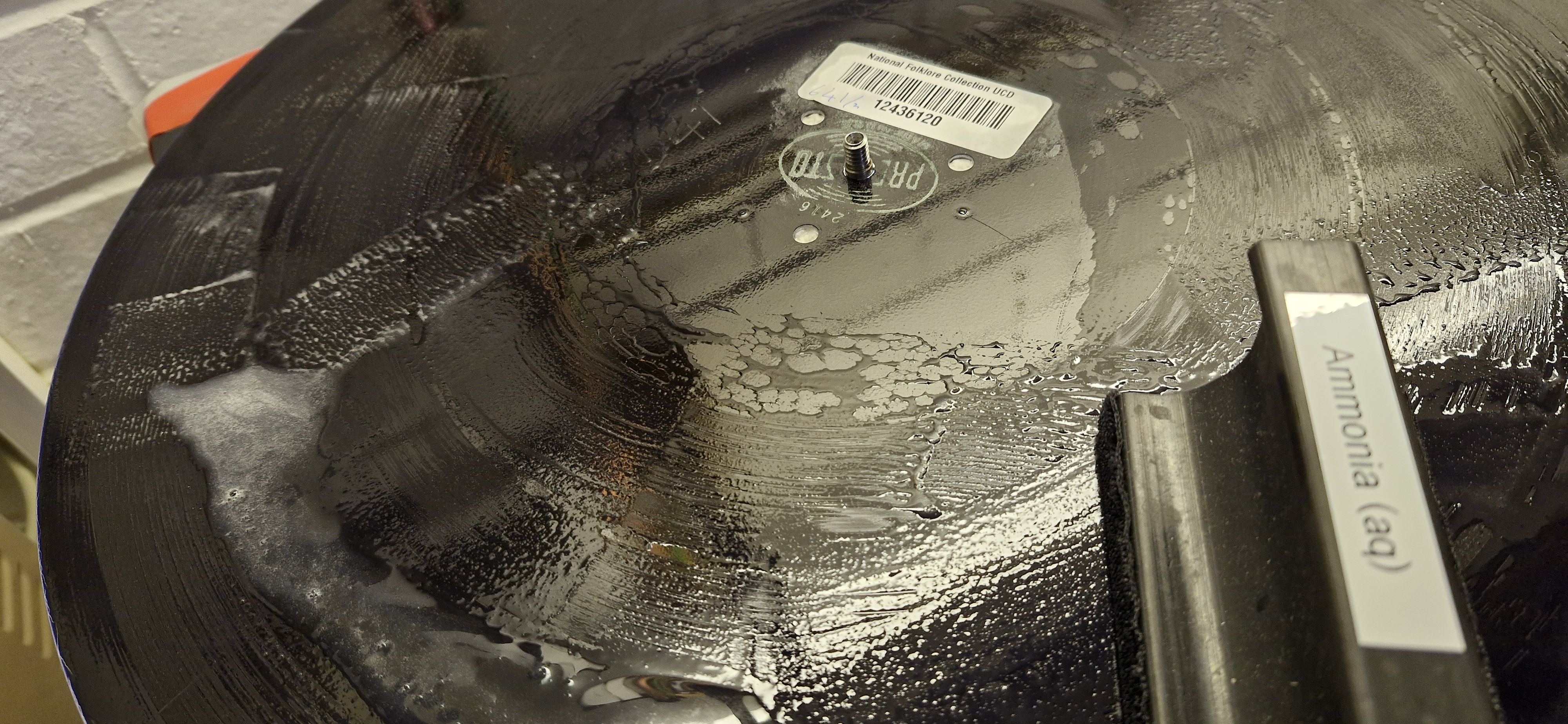
What Were 16-Inch BBC Transcription Discs?
During much of the twentieth century, magnetic tape recording was not yet the convenient and widely adopted medium it would later become. Large transcription discs provided broadcasters with a practical method of recording and distributing radio material.
The 16-inch format is particularly associated with professional and broadcast use. These discs are substantially larger than domestic gramophone records and were designed for professional recording and playback.
BBC transcription discs could be used for a variety of purposes, including:
- Recording radio programmes and broadcasts
- Programme distribution between broadcasting locations
- Preservation of recordings for later transmission
- Interviews and spoken-word recordings
- Talks and lectures
- Musical performances
- News and current-affairs material
- Historical and cultural recordings
A Valuable but Vulnerable Archive Format
Historic transcription discs should not be treated in the same way as ordinary commercial records.
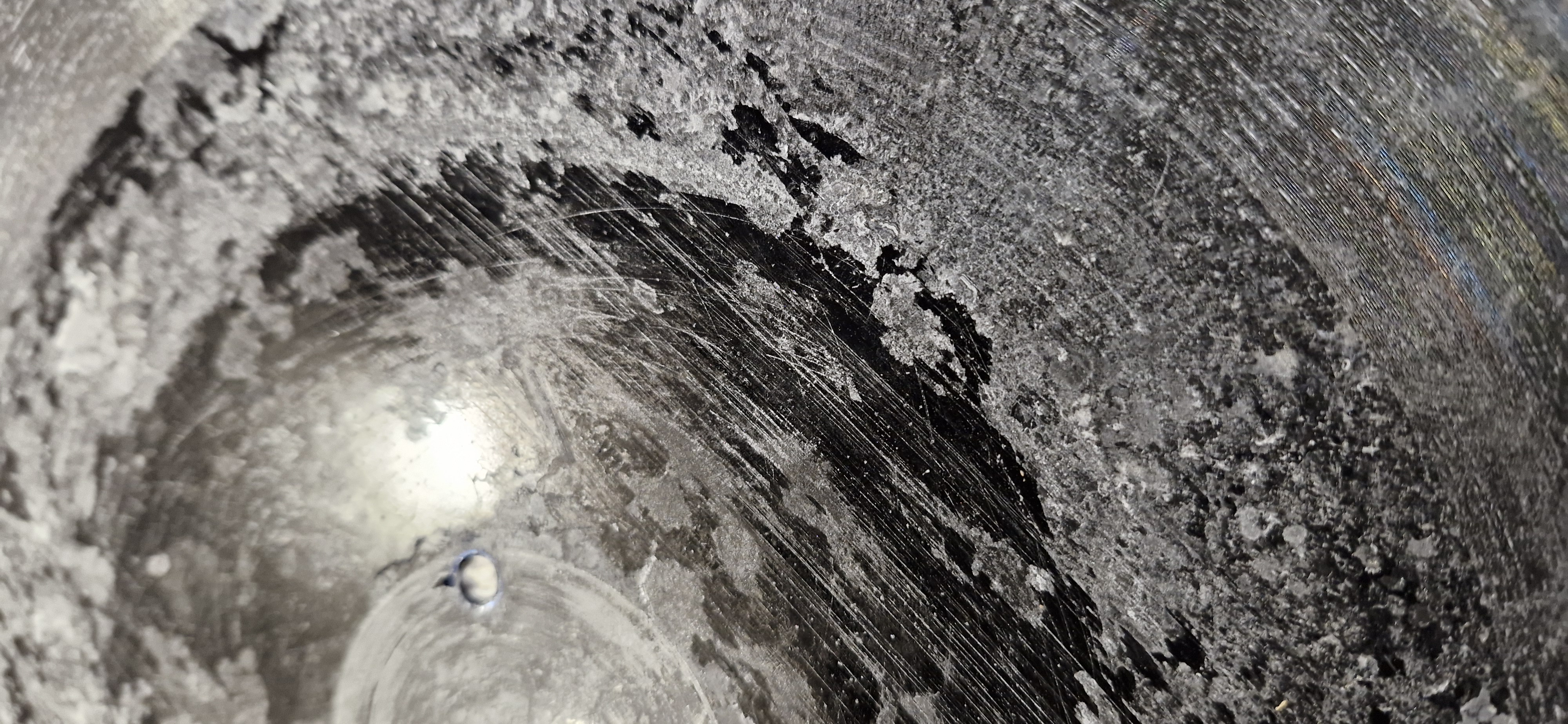
The physical condition of a disc can vary considerably depending on its age, construction, storage environment and previous handling. Surface damage, scratches, contamination, deterioration and mechanical wear can all affect playback.
There is also the problem of equipment. Specialist historic recordings may require the correct stylus, playback configuration and engineering approach to obtain the best possible transfer. A modern domestic turntable is not necessarily appropriate for archival transcription discs.
For this reason, digitisation is not simply a matter of placing a disc on a turntable and making a recording. The original carrier needs to be assessed and the playback process carefully controlled.
Digitising a Large University Collection
Oxford Duplication Centre was commissioned to digitise a large collection of 16-inch BBC transcription discs held by Trinity College Dublin.
The project involved the careful handling and professional transfer of the original discs into digital formats suitable for continued preservation and access.
Large institutional collections present particular challenges. Each item needs to be handled systematically so that the resulting digital files can be associated accurately with the original physical media and the collection's existing information.
For an archive of this nature, consistency is particularly important. The digitisation process needs to produce reliable digital masters while maintaining an appropriate workflow for quality control, file identification and delivery.
Our experience working with heritage and archival collections enables us to undertake projects ranging from individual historic recordings through to substantial institutional collections.
Digitisation for Trinity College Dublin
Trinity College Dublin's Library has an extensive programme of digitisation, transforming physical collection material into digital resources to support preservation, research and wider access.
You can learn more about Trinity College Dublin's approach to digital collections and its ongoing work to preserve and make its historic collections accessible through the Trinity College Dublin Library – Digital Collections and Digitisation .
The university's wider Virtual Trinity Library programme also encompasses the cataloguing, conservation, digitisation and research of significant historic collections.
Professional Audio Preservation
Where appropriate, historic audio recordings can be transferred into high-resolution digital formats suitable for archival preservation.
Digital preservation masters can provide institutions with a stable, accessible representation of the original recording while reducing the need to repeatedly play the original physical carrier.
Depending on the project specification, digital files can be supplied in professional archival formats such as WAV/BWF, with additional access copies produced where required.
Typical access formats may include:
- WAV/BWF archival masters
- AIFF
- MP3
- Other agreed digital delivery formats
The appropriate specification will depend on the requirements of the collection, the intended use of the recordings and the institution's own digital preservation policies.
Preserving the Original Recording
Digitisation does not replace the importance of the original transcription disc.
The physical disc remains the primary historical artefact and should continue to be stored in appropriate archival conditions following digitisation.
A high-quality digital preservation master provides an important additional level of security. It allows researchers and collection users to access the recorded content without unnecessarily handling or repeatedly playing the original disc.
For universities, museums, libraries and heritage organisations, this can significantly improve the accessibility of historic sound collections.
Why Digitise BBC Transcription Discs?
Historic broadcast recordings can provide researchers with valuable evidence about social, cultural and institutional history.
Broadcasting History
Recordings can document the development of radio broadcasting and programme production.
Social History
Interviews, discussions and news recordings can provide contemporary voices and perspectives from the period in which they were recorded.
Academic Research
University collections may contain recordings that support research in history, politics, music, media studies, sociology and other disciplines.
Cultural Heritage
Performances, talks and other recordings can preserve aspects of cultural life that may otherwise be difficult to access.
Institutional Archives
Universities and other organisations may hold recordings that form an important part of their own institutional history.
From Historic Disc to Digital Archive
The successful digitisation of the Dublin University collection demonstrates the importance of specialist knowledge when dealing with unusual historic audio formats.
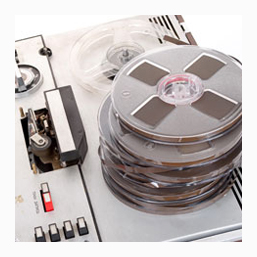
Oxford Duplication Centre works with a wide range of historic and professional audio media, from transcription discs and open-reel tapes to broadcast and professional magnetic formats.
Our approach combines specialist playback equipment, experienced technical staff and careful handling procedures to create high-quality digital copies of recordings that may otherwise become increasingly difficult to access.
Whether you have a single historic transcription disc or a substantial institutional collection, we can assess the original media and discuss an appropriate digitisation and preservation workflow.
Digitisation of Historic Audio Collections
Oxford Duplication Centre provides professional audio digitisation for universities, museums, libraries, archives, broadcasters, businesses and private collections.
We specialise in the digitisation of unusual, historic and professional audio formats, including broadcast recordings and archival collections.
Our work includes both individual items and large-scale projects where hundreds or thousands of original recordings need to be systematically digitised.
Preserving Recorded History for the Future
Historic sound recordings can contain information that cannot be recreated once lost. Professional digitisation provides an opportunity to preserve that content, improve access and make important recordings available to future generations of researchers and the public.
If your organisation holds 16-inch BBC transcription discs or other historic broadcast recordings, we would be pleased to discuss the collection and advise on an appropriate digitisation and preservation workflow.
Contact Oxford Duplication Centre